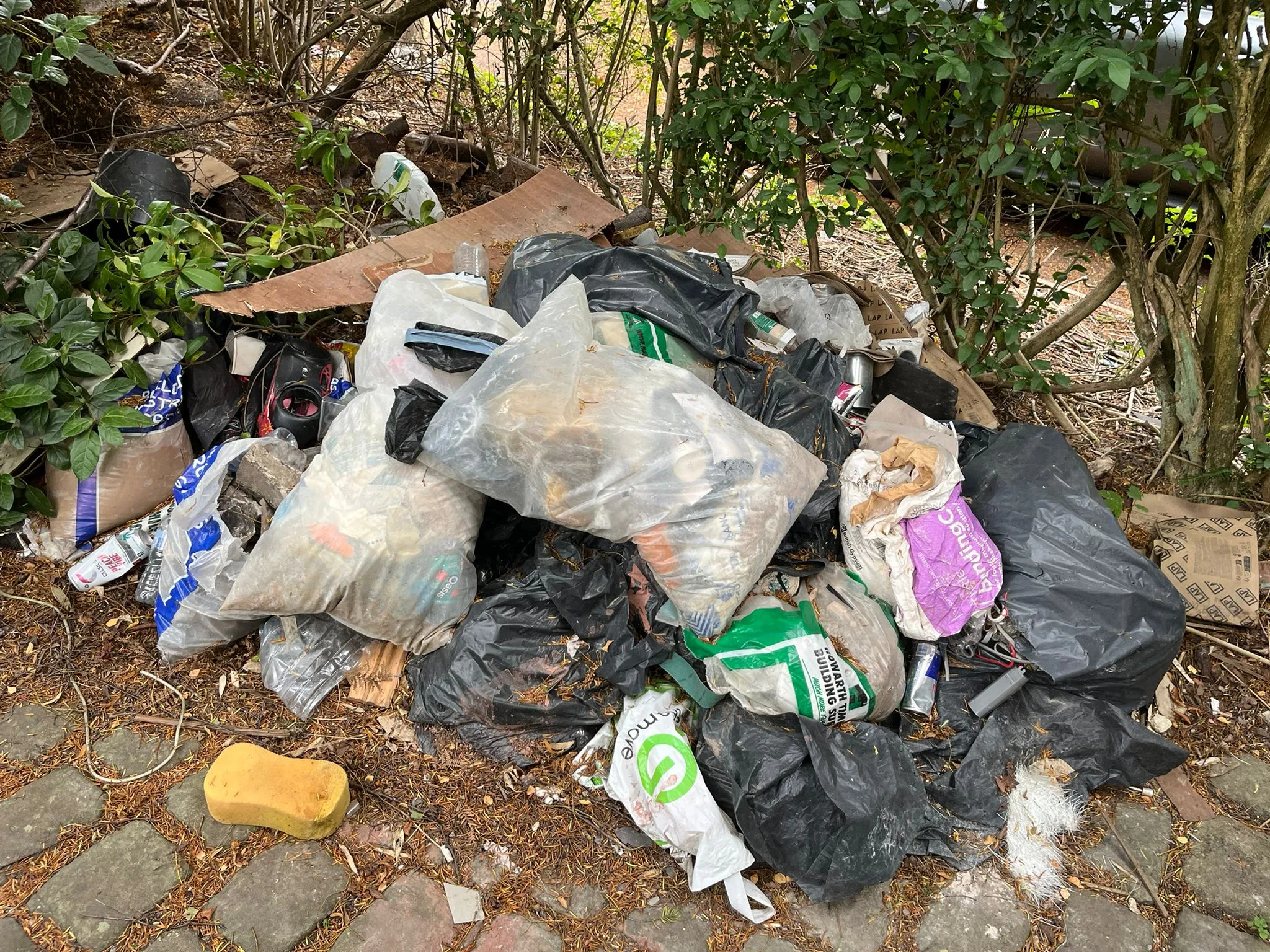
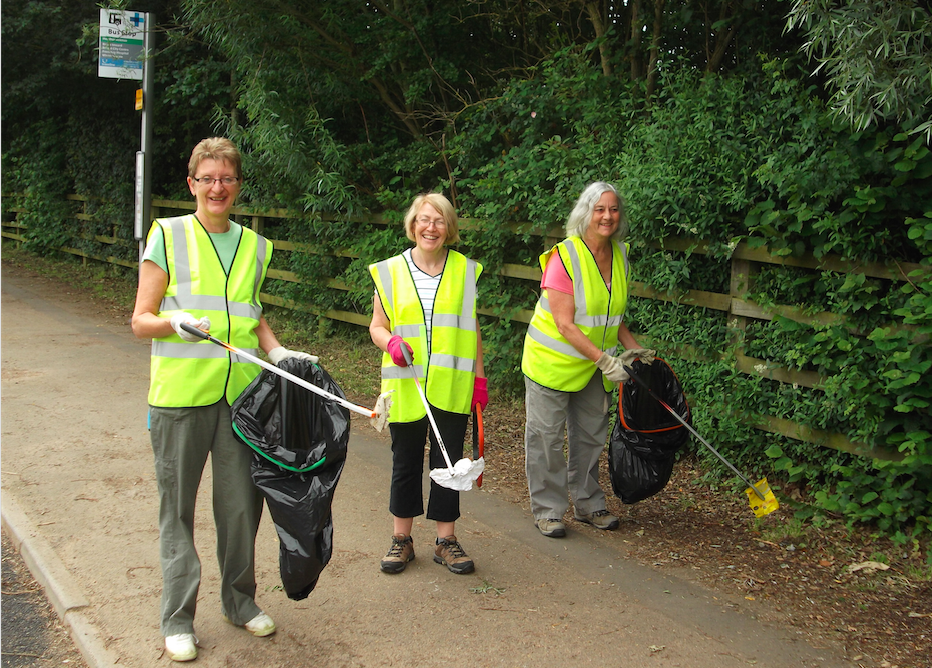
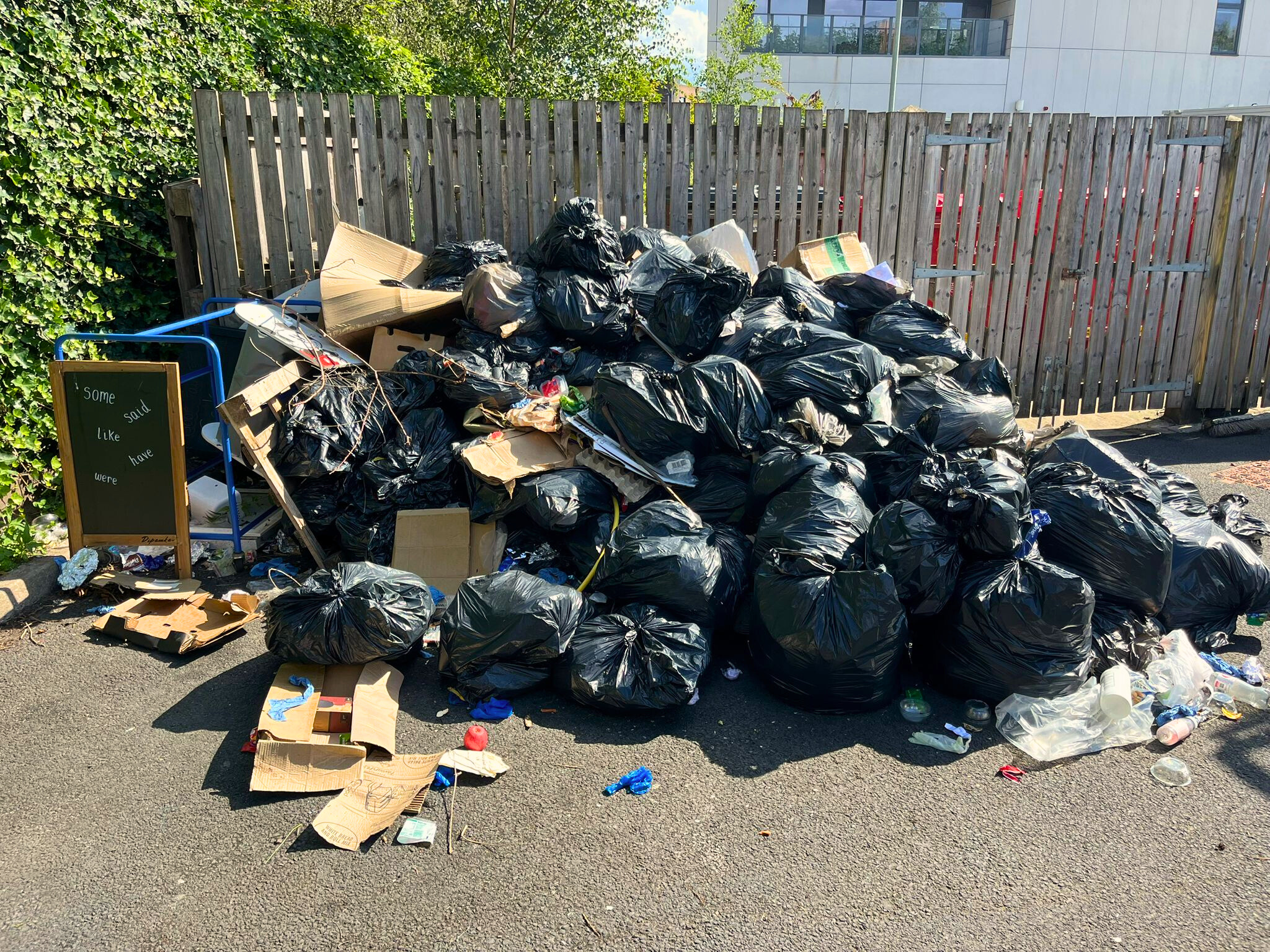
Over the past few years, there has been a noticeable and concerning trend: litter on the increase across towns, cities and rural areas throughout the UK. Whether it’s overflowing bins, roadside rubbish or fly-tipping in green spaces this is all on the rise. This growing problem is impacting both our environment and local communities.
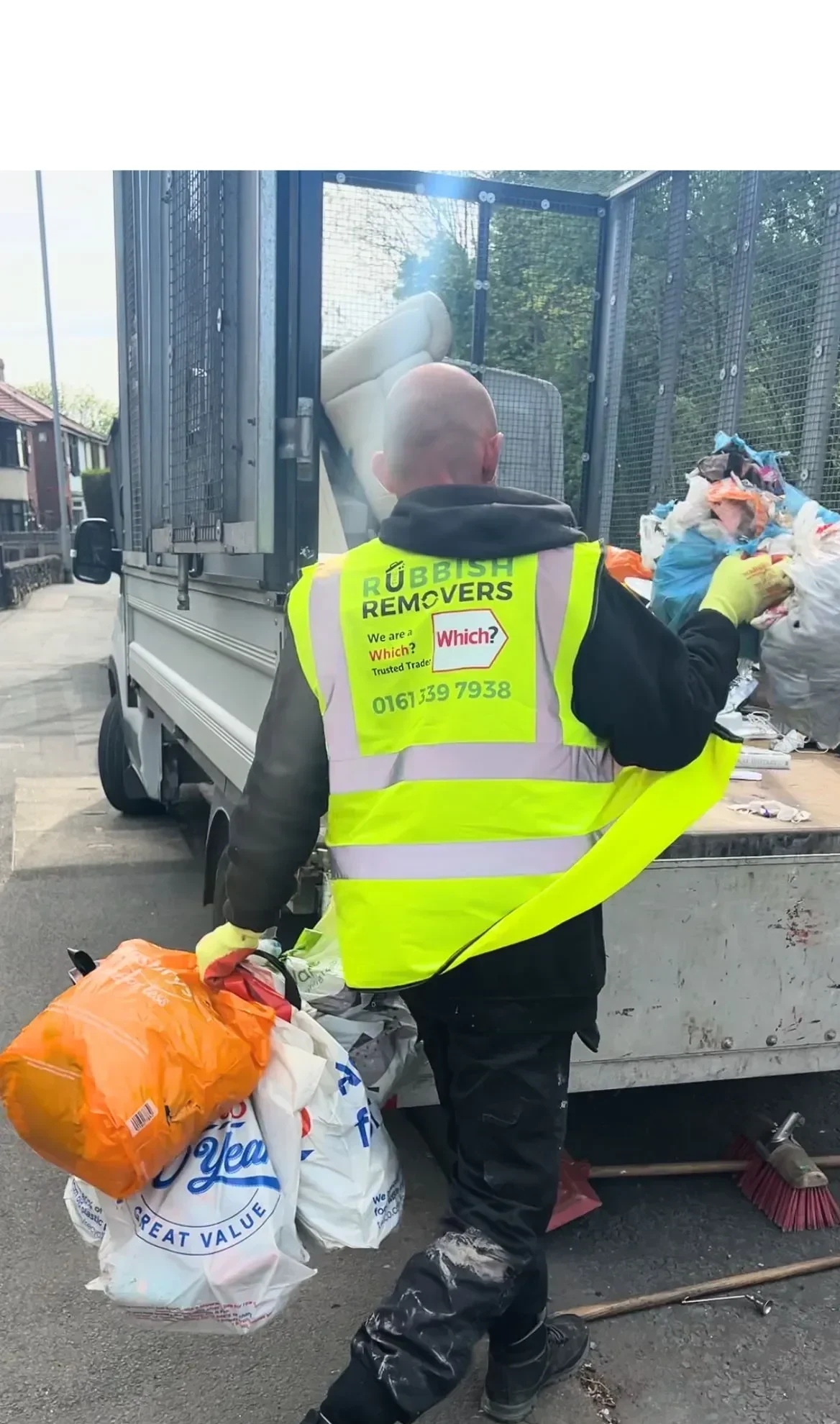
At The Rubbish Removers Ltd, we’ve seen the impact firsthand. We are a professional waste removal company with over 20 years of experience. We’re here to highlight why litter is increasing and how we can all work together to reduce it.
What is Littering?
Littering is the act of improperly disposing of waste in public or natural spaces. This includes dropping, throwing or leaving rubbish in areas where it doesn’t belong such as streets, parks, pavements, countryside or waterways.
Common examples of litter include:
Fast food packaging
Drink cans and also bottles
Cigarette butts
Plastic bags
Chewing gum
Flyers and receipts
While it might seem harmless to drop something small, the reality is that litter adds up quickly and the problem escalates. One piece becomes many and soon the area looks neglected, attracting even more litter and antisocial behaviour.
Even worse, some litter, especially plastics, can take hundreds of years to decompose, posing a long-term threat to the environment, wildlife and human health.
Why Is Litter on the Increase?
There are several reasons why we’re seeing litter on the increase:
Increased Packaging Waste
The rise in takeaway food, online shopping and single-use plastics has contributed significantly to packaging waste being discarded improperly.
Cuts to Local Services
Budget cuts have led to fewer public bins, less frequent collections and reduced street cleaning, allowing litter to pile up faster.
Lack of Awareness and Accountability
Sadly, many people still don’t realise the environmental impact of dropping a single piece of rubbish. Others assume someone else will clean it up.
Illegal Fly-Tipping
With rising disposal costs, some turn to illegal dumping. This is not only unsightly but also dangerous and harmful to local wildlife.
The Reality Behind the Rise in Litter and Fly-Tipping
Litter on the increase is a growing issue across the UK, with over 1.15 million fly-tipping incidents reported in 2023/24, a 6% rise on the previous year. Motorways, footpaths, alleyways and bridleways are among the most affected areas. Around a third of incidents involve waste the size of a small van load. Household rubbish accounts for over 60% of all fly-tipping cases.
Cigarette butts and fast food packaging remain some of the most common types of litter. Many people still don’t view them as harmful, despite their environmental impact. Car parks near drive-throughs are often littered with discarded food waste, partly due to a lack of bins and careless behaviour. Excessive, non-recyclable packaging also adds to the problem, especially when household bins are full or collections are less frequent.
During lockdown, when fast food outlets closed, streets and public spaces became noticeably cleaner, highlighting how much litter is linked to our daily habits. At the same time, household waste increased and more rubbish was dumped illegally. These trends show that litter on the increase isn’t just about mess, it’s about behaviour, infrastructure and the choices we make every day.
How The Rubbish Removers can Help
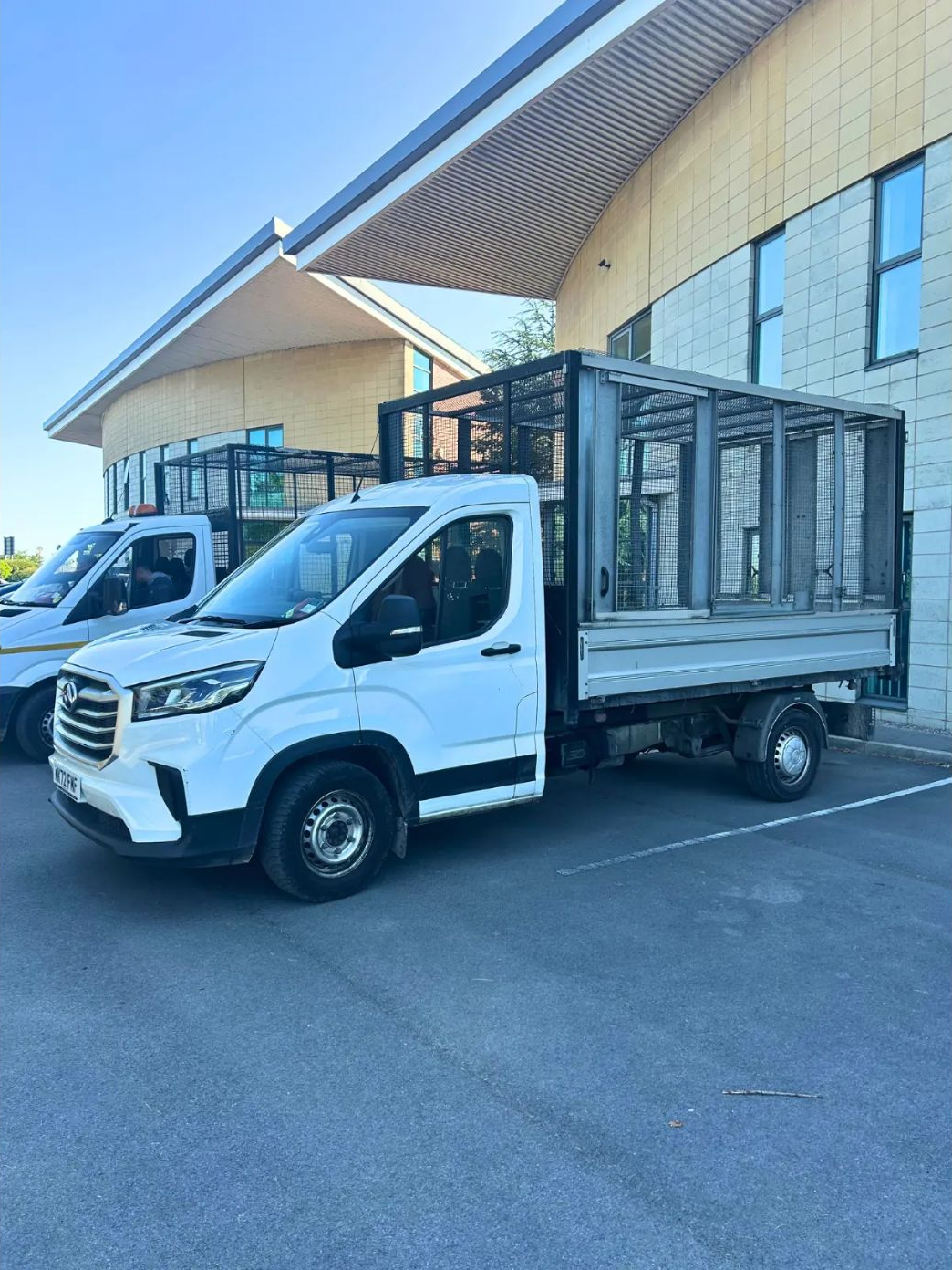
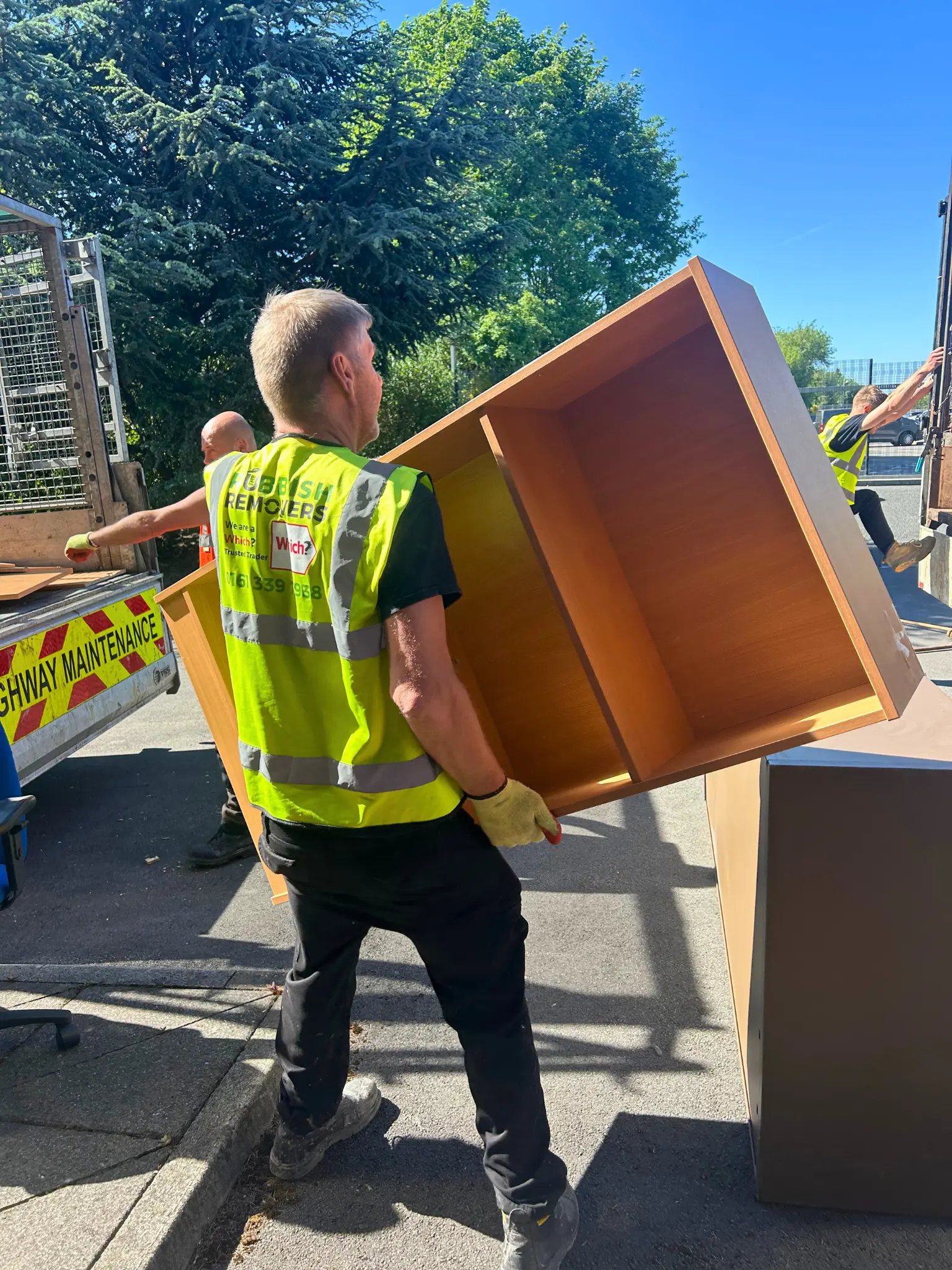
At The Rubbish Removers Ltd, we offer fast, reliable and fully licensed waste removal services to help tackle the growing problem of litter and fly-tipping. Our team specialises in clearing illegally dumped waste from both public and private land. This includes alleyways, car parks, vacant plots and also commercial sites. We respond quickly to fly-tipping reports and ensure all waste is removed safely and disposed of in line with environmental regulations. Whether it’s a one-off clearance or regular site maintenance, we’re here to help keep your space clean, safe and compliant.
Do you have litter piling up near your home or on your land?
A step-by-guide to a bereavement house clearance service by The Rubbish Removers Ltd
Losing a loved one is never easy and dealing with their belongings can be one of the most emotional parts of the process. At The Rubbish Removers, we understand how overwhelming a bereavement house clearance can feel and we’re here to offer practical, respectful support during a difficult time.
Whether you’re clearing a property to sell, return to a landlord or simply to close a chapter, this step-by-step guide is designed to help you manage the process gently and efficiently.
Step 1: Take Time Before You Begin your clearance
If possible, give yourself space before starting a bereavement house clearance. Rushing the process can be emotionally exhausting and lead to decisions you might later regret. When you’re ready, start small and allow yourself to go at your own pace.
Step 2: Locate Important Documents
Before any sorting or removal begins, gather essential paperwork, such as:
The will
Property deeds or rental agreements
Bank statements
Insurance documents
Utility bills
Birth, marriage and any death certificates
Keep these in a safe, separate place to avoid them being accidentally removed or destroyed during the clearance service.
Step 3: Identify Items of Sentimental or Financial Value
Go room by room and put aside items that are:
Sentimental (photos, letters and also keepsakes)
Valuable (jewellery, antiques as well as any collectibles)
Required for legal or tax purposes
Consider asking close family members if there are items they’d like to keep and use this time to document belongings you plan to retain or distribute.
Step 4: Donate, Sell or Dispose of Unwanted Items
Once you’ve sorted through personal and valuable belongings, you’ll likely be left with items you no longer need. These can be:
Donated to charity
Sold via online marketplaces or auction
Recycled or removed responsibly
This is where The Rubbish Removers can help. We offer respectful, efficient bereavement house clearance services tailored to your needs. Whether it’s a full clearance or just removing larger unwanted items, we handle everything with care and discretion.
Step 5: Clean the Property (if Required)
After the property has been cleared, you may need to:
Arrange for professional cleaning
Notify utility companies and update records
Prepare the property for sale, return or transfer
This can be a good time to ask for help from friends, family or professionals to make the process less stressful.
Don’t Be Afraid to Ask for Help
Grief is a deeply personal process and dealing with a loved one’s belongings can bring up strong emotions. It’s okay to ask for support, whether from family, friends or trusted professionals like us.
At The Rubbish Removers, we’ve supported hundreds of families across Greater Manchester, Merseyside, Lancashire, Derbyshire, Cheshire and also Yorkshire with compassionate, hassle-free bereavement house clearance services. We treat every home and every item with the respect it deserves.
A bereavement house clearance is never just about “clearing a house”, it’s about closing a chapter with care, thought and compassion. By breaking the process down into manageable steps and knowing where to get help when needed, you can ease the emotional and practical load.
Stay compliant, protect your business and clear out with confidence by choosing The Rubbish Removers Ltd – your trusted partner for responsible office and WEEE waste collections!
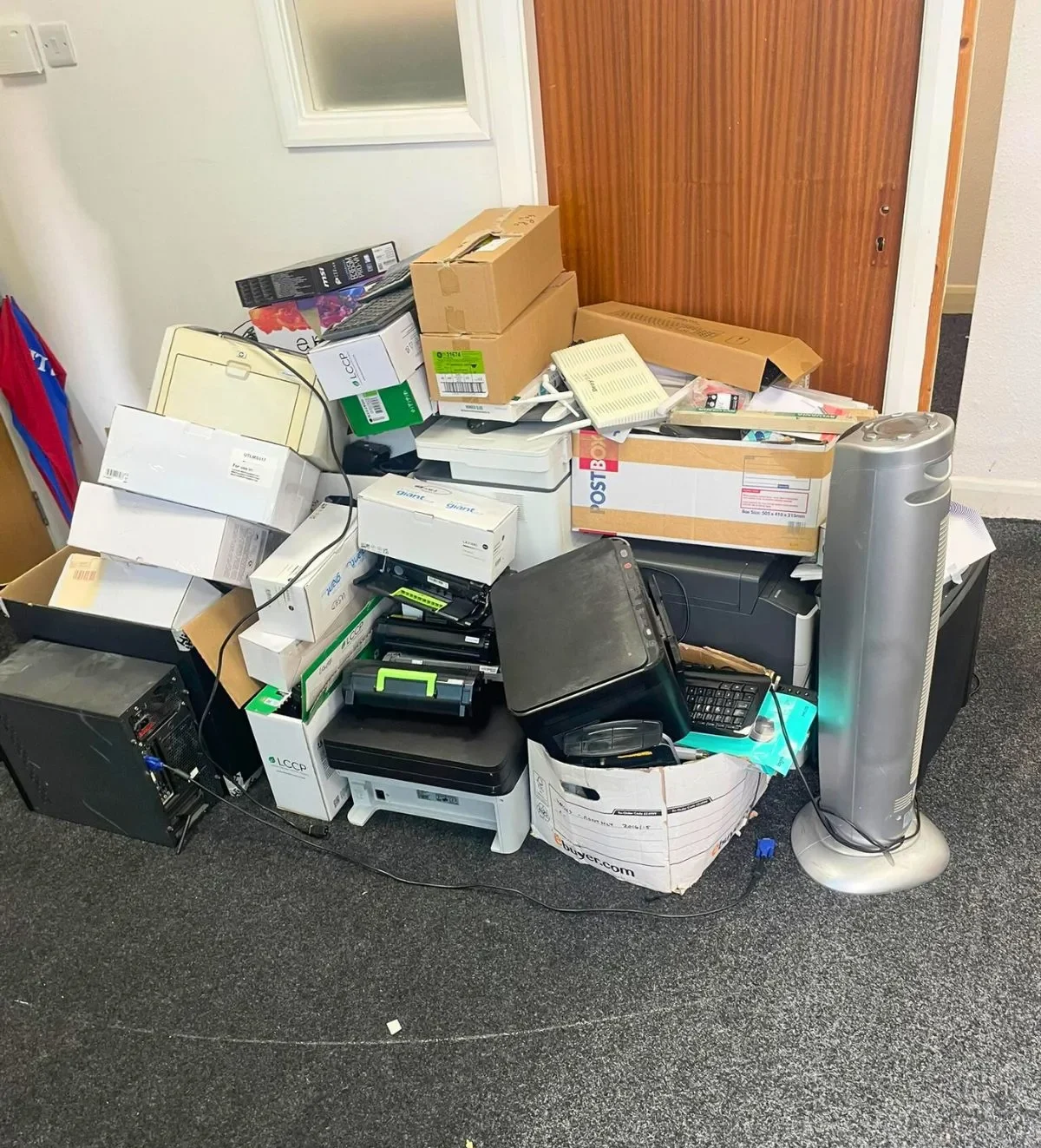
Clearing out an office space can be a big task for any business but for small and medium-sized enterprises (SMEs), it also comes with important legal responsibilities. Whether you’re upgrading your equipment, moving premises, or simply clearing out, it’s essential to dispose of office furniture and electronics properly.
This is especially true when dealing with electronic items or WEEE waste (Waste Electrical and Electronic Equipment). To help you stay on the right side of regulations, we’ve created this simple compliance checklist.
WEEE includes most items with a plug or battery. For example, computers, monitors, printers, phones, and even kitchen appliances such as kettles or microwaves fall under this category. These items often contain hazardous or sensitive materials, including heavy metals and chemicals, which can pose serious risks to both human health and the environment if not disposed of correctly.
Because of this, it is essential to handle WEEE carefully and dispose of it through certified channels that comply with environmental regulations. Licensed waste carriers process your electronic waste responsibly, minimising environmental impact and helping you meet your legal obligations.
Compliance Checklist: Office & WEEE Clearances
1
Identify All WEEE Items
Start by listing all electrical items you no longer need. Ultimately, this makes it easier to separate general office waste from regulated electronic waste.
2
Use a Licensed Waste Carrier
It’s a legal requirement to use a registered waste carrier for commercial disposal. The Rubbish Removers are fully licensed and insured, giving you peace of mind that your office and WEEE waste is handled correctly.
3
Obtain a Waste Transfer Note
Proper documentation for every collection must be documented with a Waste Transfer Note (WTN), confirming your waste has been disposed of responsibly and complies with UK regulations.
4
Ensure Secure Data Disposal
During computer or hard drive clear outs, remember your GDPR responsibilities. Ensure all data is securely wiped or destroyed.
5
Prioritise Recycling
Many WEEE items can be recycled or refurbished. Therefore, our team diverts as much as possible from landfill, supporting environmentally responsible practices.
6
Keep Records
Always retain your WTNs and invoices, as they serve as proof of compliance during audits or inspections.
Choose The Rubbish Removers for a reliable and responsible service that is also fully compliant with office and WEEE waste clearance regulations you can trust.
Contact us today for your next WEEE waste collection!
In 2025, England’s government introduced new Simpler Recycling regulations to improve Legal Waste Disposal practices. These regulations require businesses to separate dry recycling and food waste. The changes will take effect on March 31, 2025. This legislation is part of the Environment Act 2021. It requires businesses, public sector and third-sector organisations to sort their waste carefully. Waste must be divided into residual, food waste and dry recyclables. These rules aim to boost recycling rates and reduce landfill waste. They also support the move toward a circular economy.
For Businesses
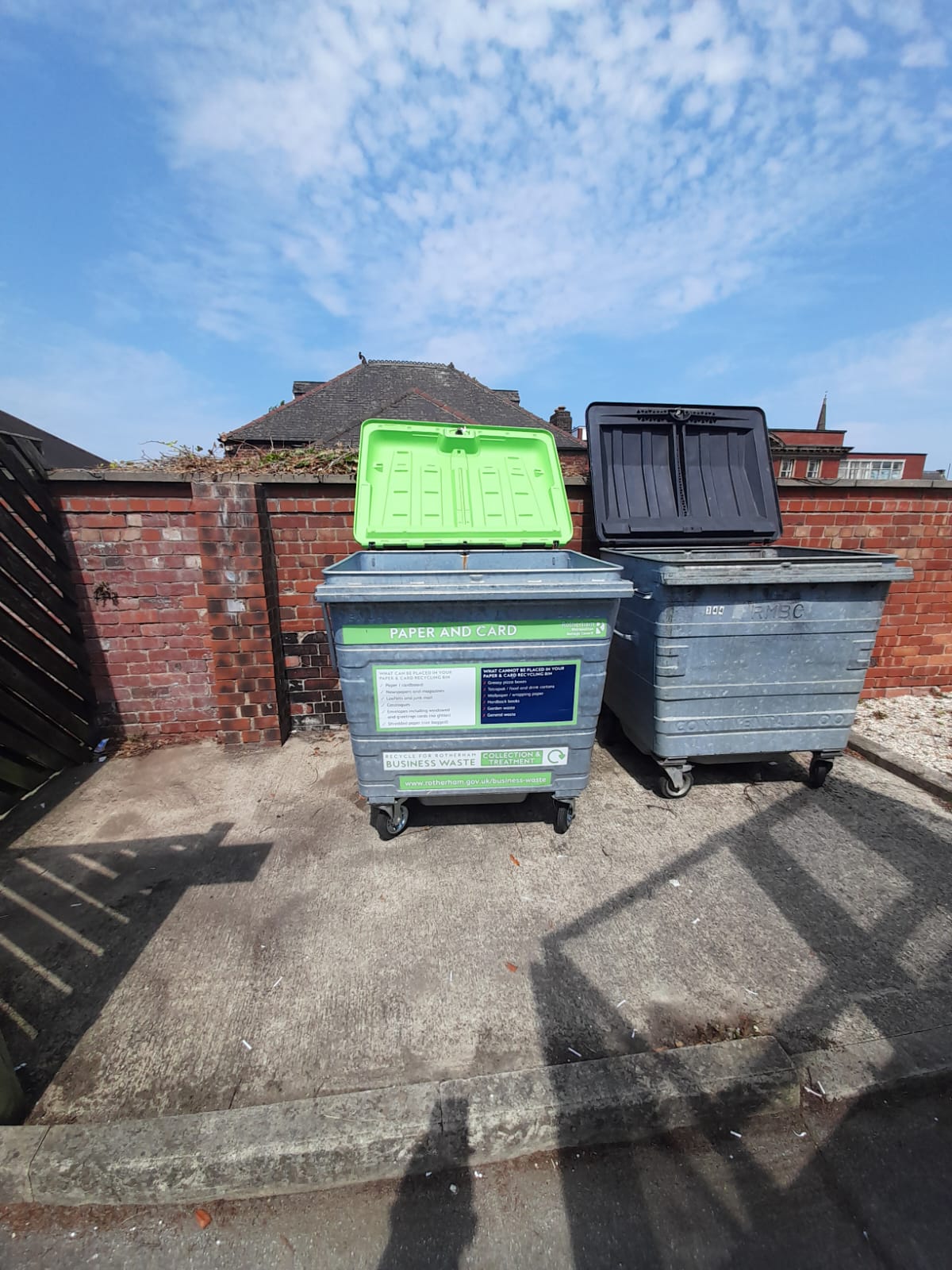
Mandatory Separation: From March 31 2025 businesses in England must separate their waste into at least three streams; food waste, dry recyclables (paper, cardboard, plastic, metal, glass) and residual waste.
Food Waste Collection: Businesses generating food waste must arrange for it’s separate collection by an approved waste carrier for processing through in-vessel composting (IVC) or anaerobic digestion (AD).
Dry Recyclables: You must separate all other dry recyclable materials from general waste.
Waste Carriers: For Legal waste disposal you must use a licensed waste carrier for your waste collection.
Record Keeping: The company must issue a transfer note for each load of waste leaving your premises.
Legal Compliance: These rules are part of the government’s Simpler Recycling initiative and also stem from the Environment Act 2021.
For Households
Focus on Recycling: The emphasis is on reducing waste by reusing materials and furthermore maximising recycling.
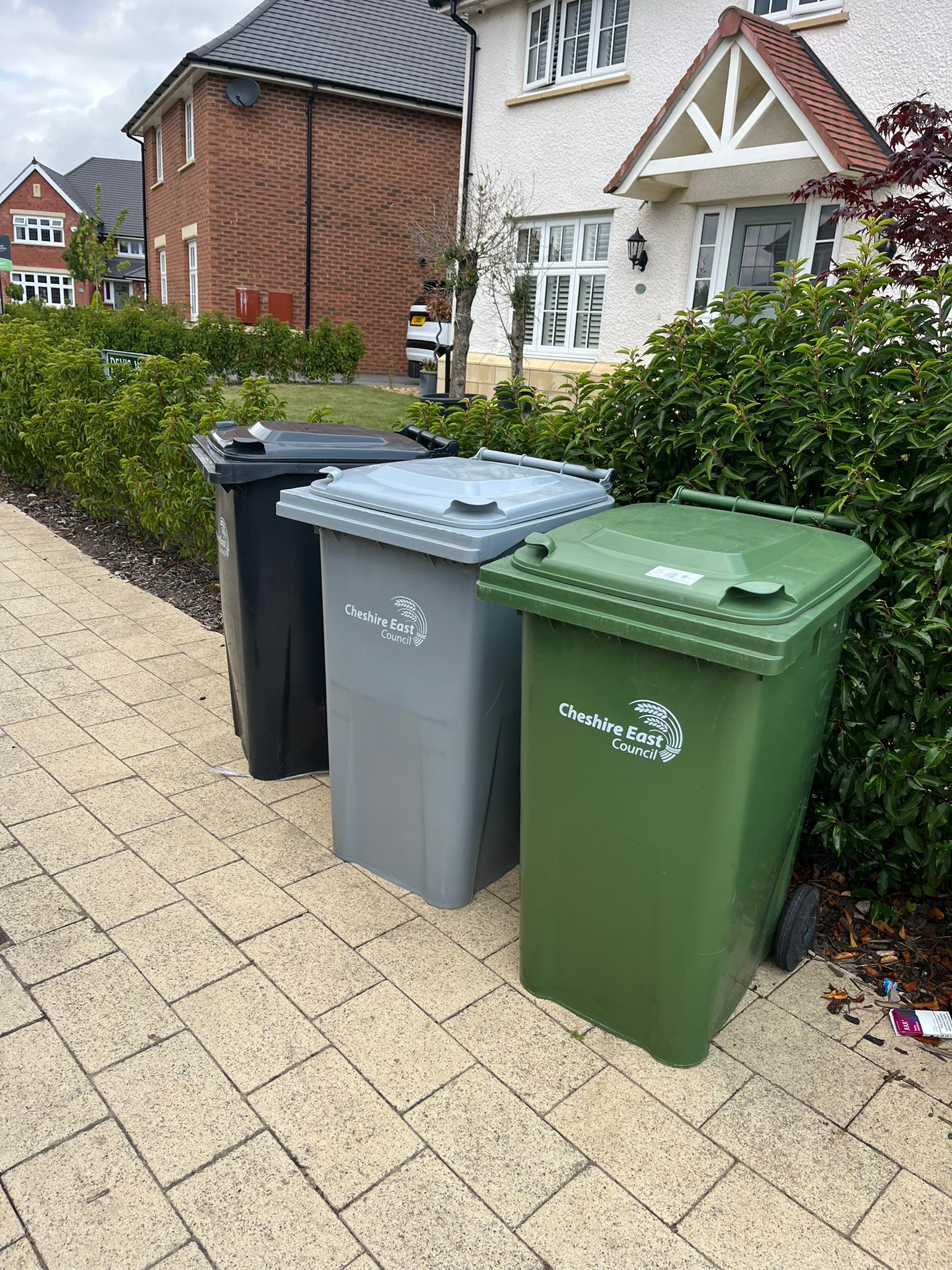
Separate Collections: Your local council will likely provide separate collections for different types of waste, though specific rules can vary by location.
Check Local Guidance: It is important to check your specific local council’s website for precise instructions on what can and cannot be recycled and also how to sort waste.
Key Principles for All Legal Waste Disposal
Reduce, Reuse, Recycle: The hierarchy of waste management is to prevent waste, then reuse what you can and only then recycle or recover it.
Safe Storage: To comply with regulations, waste must be stored safely and securely on your premises.
Fly-Tipping and the Law: What You Need to Know
We are finding that more and more areas within the countryside have been subject to fly tipping, this is not only illegal waste disposal but also a big risk to the surrounding environment.
Did you know that you must use a fully licensed waste carrier to remove your waste? If you don’t and someone traces the waste back to you, the authorities can fine you. The law treats fly-tipping as a serious criminal offence under the Environmental Protection Act 1990. Magistrates can issue fines of up to £50,000 and if the case goes to the Crown Court, the fine can be unlimited. Courts can also sentence offenders to up to 5 years in prison.
The council can fine you if someone fly-tips your waste, even if you asked someone else to get rid of it. You have a legal “Duty of Care” to ensure you dispose of your waste correctly. You could receive a £400 fixed penalty notice or face an unlimited fine in court. Authorities may also prosecute you, which could lead to imprisonment. You must use a registered waste carrier and take steps to ensure no one fly-tips your waste on your behalf.
As the leaves begin to fall and temperatures start to drop, it’s the perfect time to get your garden ready for the colder months ahead. At The Rubbish Removers Ltd, we know how quickly garden waste can build up especially after a busy summer of growth and activity. Whether you’re prepping for autumn or getting your garden winter-ready, here are some essential seasonal garden clearance tips to keep your outdoor space looking tidy and well-maintained.
Broken or Unused Garden Furniture
Rusty metal chairs, cracked plastic tables or splintered wooden benches? Old garden furniture can quickly become a magnet for moss, dirt and also pests.
Tip : Store clean, usable items indoors or under cover. Anything broken should be cleared to free up space.
Our team will collect and remove all unwanted garden furniture, disposing of it responsibly along with any related garden waste.
Old Garden Sheds
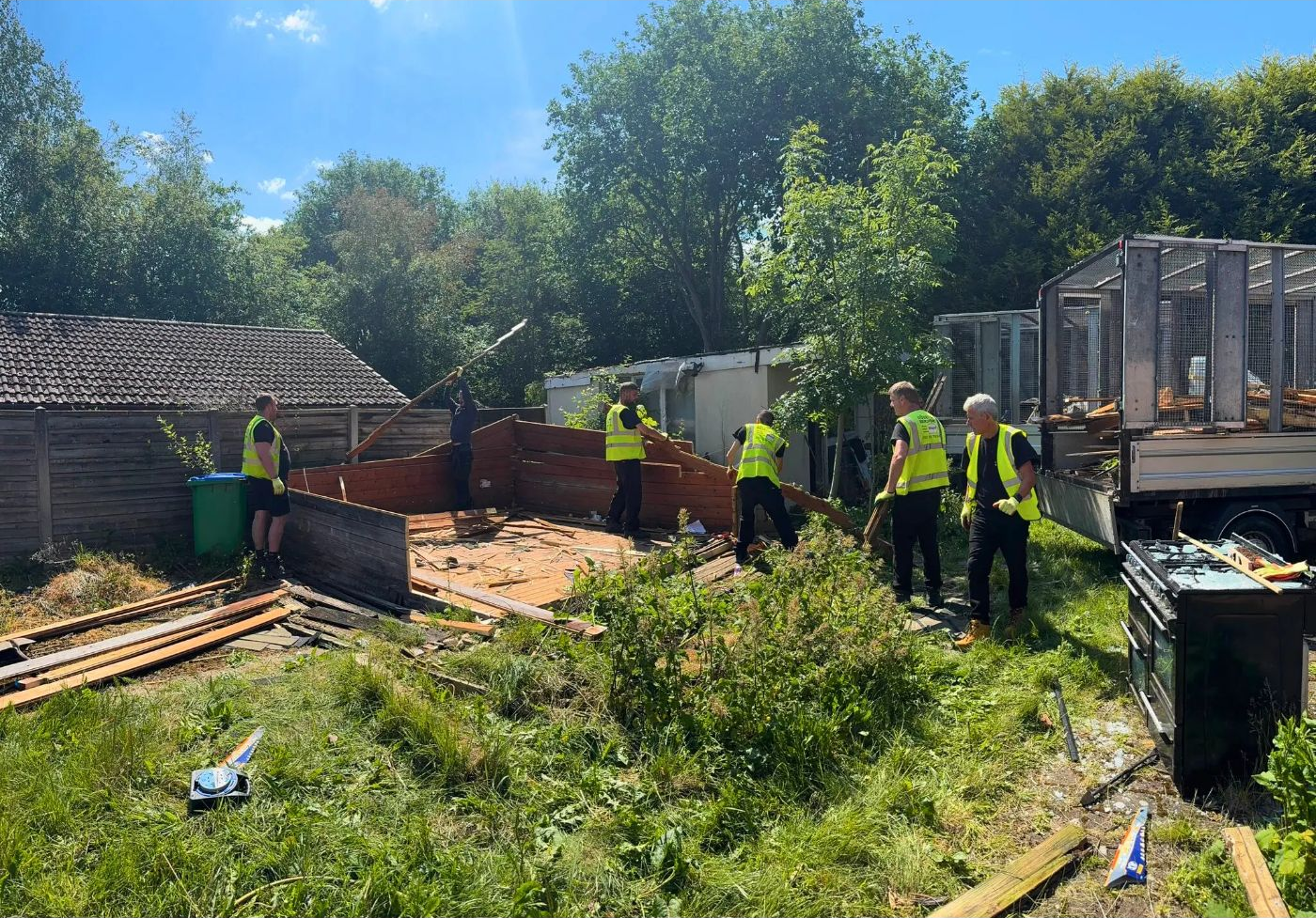
Old or damaged sheds can become unsafe and unsightly, especially during wet and windy weather. Whether it’s rotting wood, leaking roofs or structural issues, now is a great time to clear it out or have it removed.
Tip : If your shed is no longer in use or beyond repair, it’s best to dismantle it before winter sets in.
We offer full shed clearance and removal as part of our garden waste services including taking away all contents, debris and the structure itself.
Fence Panels and Wood Waste
Autumn and winter storms can wreak havoc on your fencing. Broken or rotting fence panels, posts and other wood waste not only look unsightly but can also pose a safety risk and cause further damage if left unchecked.
Tip : Inspect your fence line for loose or leaning panels, rotting posts or splintered timber. It’s best to repair or remove them before harsh weather sets in.
The Rubbish Removers Ltd can safely remove and dispose of old fence panels, posts, pallets and any wood waste from your garden. Whether it’s a few broken boards or a full fence replacement, we’ll take care of the clearance quickly and responsibly.
Get Rid of Old or Broken BBQs
If your BBQ has been left out all summer or all year it might be rusted, broken or just no longer safe to use. Old barbecues not only take up valuable garden space but can also be a safety hazard when left to deteriorate.
Tip : Check for rust, damaged burners, broken wheels or missing parts. If it’s beyond repair, it’s time to let it go.
The Rubbish Removers Ltd can remove and dispose of your old BBQ units as part of our comprehensive garden waste removal service. Whether it’s a small portable grill or a full-sized gas BBQ, we’ll take it away quickly and safely.
Disused Greenhouses
If your greenhouse has broken panels, a rusting frame or is no longer in use, it might be time to clear it out or remove it entirely before winter weather causes further damage.
Tip: Remove any remaining plants and tools before dismantling.
Old plastic storage boxes, damaged garden chests or collapsed bin stores can deteriorate further during winter, causing clutter and even health hazards.
Tip: Check lids, hinges and structures for cracks or signs of mould.
We remove and dispose of all types of outdoor storage units as part of our garden waste removal services.
Clear leaves and Organic Debris
Autumn means one thing for gardens; lots of fallen leaves. While they might look picturesque, if left unchecked they can create slippery surfaces, attract pests and even suffocate your lawn.
Tip : Collect leaves regularly and add them to your compost or garden waste bags.
Too much to handle? Our team can remove all your leaf waste as part of a full garden waste clearance service.
Trim Hedges and Prune Plants
Late autumn is the ideal time to trim back hedges, trees and perennials. This prevents overgrowth, reduces risk of damage in high winds and generates a fair amount of green garden waste.
Tip : Keep pruned branches and twigs in one area ready for disposal.
We can collect and remove all your cuttings and clippings as part of our eco-friendly garden waste removal service.
Prepare for Winter with a Full Garden Waste Clearance
Sometimes it’s easier to get everything done in one go. If your garden has become overgrown, cluttered or simply unmanageable, now’s the perfect time for a full garden waste clearance.
Removal of all green waste, including leaves, branches, clippings and also plant debris
Safe disposal of old garden furniture, broken items and unwanted outdoor structures
Full clearance of sheds, greenhouses and storage units, including contents and dismantling if required
Responsible disposal of general garden rubbish, wood waste and also non-organic materials
Thorough clean-up, leaving your garden tidy, hazard-free and fully prepared for the winter months
Let The Rubbish Removers Ltd handle it all — fast, affordable and fully licensed.
We use cookies to enhance your browsing experience, serve personalised ads or content, and analyse our traffic. By clicking "Accept All", you consent to our use of cookies.